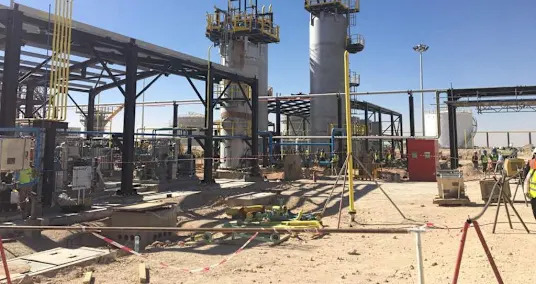
Africa’s energy producers are emerging as unexpected long-term beneficiaries of the Middle East conflict, according to oil analysts.
Angola, Mozambique, and Nigeria are among nations increasingly viewed by European and Asian buyers as lower-risk alternatives to disrupted supplies: With the Strait of Hormuz and Red Sea now high-risk routes, African volumes carry lower insurance premiums and more predictable delivery times — structural advantages that could reshape long-term supply contracts.
Africa’s liquefied natural gas sector stands to gain most; export capacity is projected to more than double by 2040, according to the African Energy Chamber. The crisis could also accelerate long-delayed projects, including the Trans-Saharan pipeline designed to carry Nigerian gas through Niger and Algeria to Europe, which has been beset by safety and security concerns in the Sahel region.
Horizon Engage risk analyst Clementine Wallop warned, however, that while Africa was a “logical place to look,” the risks some of these projects have faced — security, political, or logistical in nature — “show that this is not a quick fix.”
Potential gains for producer nations are nevertheless cold comfort for millions of ordinary Africans: The conflict has sent Brent crude surging more than 50% to around $110 a barrel, and since most African countries are net importers of refined oil products, the price shock has been swift and severe.

LATEST POSTS
- 1
 Selena Quintanilla documentary 'Selena y Los Dinos: A Family's Legacy' is coming to Netflix
 - 2These 2 companies are teaming up to offer insurance for space debris strikes on satellites
- 3UK consumer confidence plunges amid escalating Iran conflict
- 4Medtronic has 'significant firepower' for multiple acquisitions, executives say
- 5An Investigate of 6 Creative Specialty Mixed drinks





- AstraZeneca to acquire Modella AI to speed oncology drug research
- Images of Bangladeshi motorcyclists sleeping at petrol pumps are AI-generated
- Figure out How to Amplify Innovation and Infotainment Frameworks for Senior Drivers in SUVs
- Over 60 local leaders push Netanyahu to halt haredi draft bill, warn of social rift
- Antivirus Programming for Exhaustive Security
- Intriguing Strange Cruising Objections you Should Visit
- Vote In favor of Your Favored Web-based Venture Stage
- 7 Delightful Ferris Wheels, Do You Like Them?
- This Week In Space podcast: Episode 186 — Snow on the Moon?